Discover 7 powerful ways to use debt consolidation to save money, lower interest rates, and simplify payments for lasting financial freedom.
Introduction: When Every Pound Counts
I remember the first time I realized how unpredictable freelance life could be. Some months were amazing with back-to-back clients, while others had me refreshing my inbox for new work. On top of that, I was juggling credit card debt, small business loans, and side expenses, all piling up faster than I could manage.
Like many freelancers and gig workers, I wasn’t just earning differently every month; I was budgeting reactively. That changed when I learned to combine debt consolidation, the envelope method, and zero-based budgeting. Together, these helped me take control of my cash flow, save hundreds in interest, and finally stop living from one gig payment to the next.
In this guide, I’ll walk you through how to simplify your debt, make your money predictable even when your income isn’t, and save more of what you earn.
💡 What Debt Consolidation Really Means
Debt consolidation is the process of combining multiple debts, like credit cards, personal loans, or store accounts, into a single, more manageable payment, ideally at a lower interest rate.
The benefits are simple and powerful:
- Fewer payments to track each month.
- Lower total interest, saving you money long-term.
- A clearer repayment plan that fits your income flow.
But when your income fluctuates like most freelancers or gig workers, managing that single payment becomes a game of balance. This is where the envelope method and zero-based budgeting come in.
🧾 Step 1: Know Your Debts and Their Costs
Before you can save, you need to understand what you owe.
List every debt you have, including:
- The balance.
- The interest rate.
- The minimum monthly payment.
You can use free tools like Mint, YNAB (You Need a Budget), or Credit Karma to organise this data.
When you see the full picture, you’ll know exactly which debts are eating away your cash the fastest, typically, high-interest credit cards or payday loans.
💬 Pro Tip: Focus your consolidation on the highest-rate debts first.
💳 Step 2: Explore the Right Consolidation Options
There are several ways to consolidate, but freelancers and gig workers need flexible options that fit uneven income.
Here are three popular methods:
- Balance Transfer Credit Card
- Ideal if you have decent credit.
- 0% APR intro offers for 12-18 months.
- Great for short-term payoff goals.
- Personal Loan for Debt Consolidation
- Fixed rates from banks, credit unions, or online lenders.
- Predictable payments each month.
- Often easier to budget for with irregular income.
- Line of Credit or Peer-to-Peer Loan
- Can adjust based on how much you borrow.
- Useful for freelancers who may need payment flexibility.
🧠 Step 3: Combine Debt Consolidation with Zero-Based Budgeting
Most budgeting systems assume a steady paycheck. That doesn’t work when your income changes every month. That’s where zero-based budgeting shines.
The rule is simple:
Every pound you earn gets a job.
If you earn £3,000 this month, you assign all £3,000 to categories like:
- £1,200 to living expenses.
- £500 to debt repayment.
- £400 to savings.
- £300 to taxes.
- £600 for variable or business expenses.
Nothing sits idle. Every pound is working somewhere.
This helps you stay proactive, not reactive, even when gigs are inconsistent.
💬 15 Genius Budgeting Tools For Your Paycheck in 2025
💼 Step 4: Use the Envelope Method to Stay Grounded
When income fluctuates, it’s easy to overspend during good months and struggle during lean ones. The envelope method fixes that.
Here’s how to combine it with zero-based budgeting:
- Create digital “envelopes” for each category: food, utilities, debt, entertainment, etc.
- Assign money only after it’s earned, not before.
- When income spikes, top up your “emergency” or “income buffer” envelope.
- When income dips, pull from that buffer instead of using credit.
Apps like Goodbudget, Qube Money, and YNAB let you create virtual envelopes to track spending automatically.
💬 Pro Tip: Name one envelope “Debt-Free Fund” and use small leftover amounts to make extra payments.

💷 Step 5: Create a Safety Net for Lean Months
Debt consolidation is powerful, but it only works if you can make your payments consistently. Freelancers often face gaps between paychecks, so it’s essential to build a cash buffer.
Start by setting aside at least one month of expenses in a high-yield savings account. Then, as you stabilize your cash flow, work up to three months.
This way, even when income slows, you don’t miss payments or rely on credit again.
💪 Step 6: Automate Your Payments
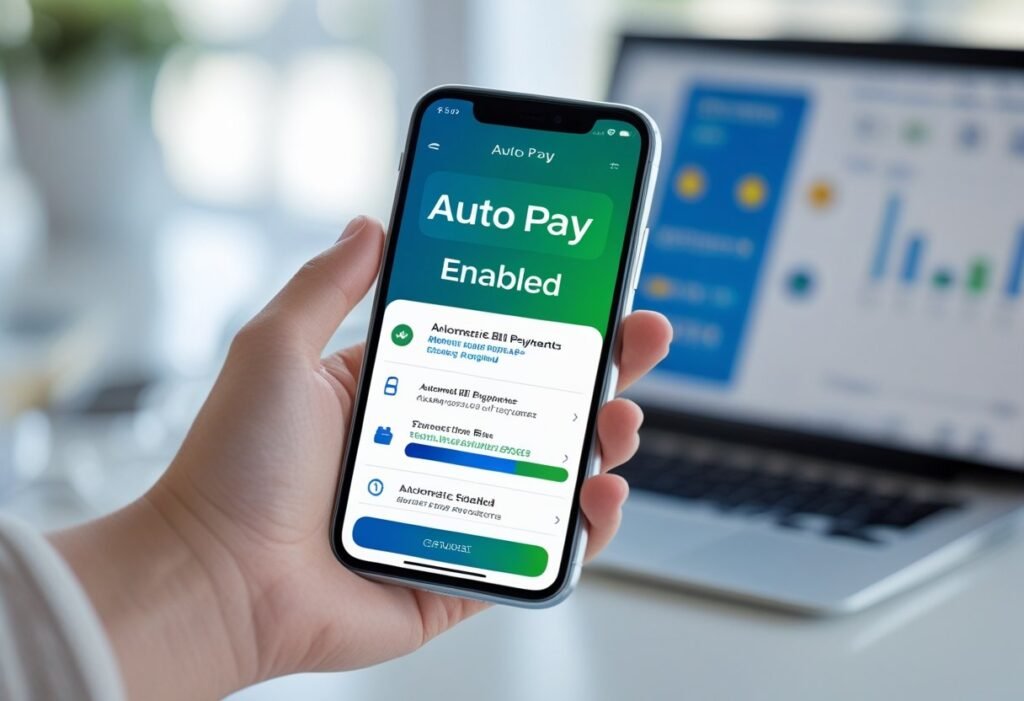
Automation keeps your plan on track and helps avoid late fees.
Set up automatic payments for your consolidated loan from a dedicated “bills” envelope. You can also automate transfers into your savings or tax envelopes to protect future income.
Automation tools and apps:
- Cleo for money reminders and spending alerts.
- YNAB for automatic category updates.
- Revolut or Monzo for scheduled payments.
Even small automations reduce stress and help you focus on your work, not your bills.
📊 Step 7: Track Progress and Celebrate Wins
Every freelancer knows motivation matters. That’s why tracking progress visually can make all the difference.
Use tools like:
- Notion or Google Sheets to create a debt payoff tracker.
- YNAB for category reports and cash flow summaries.
- Credit Karma to monitor score improvements.
Each milestone, even paying off one card, deserves celebration. Financial freedom is built one small win at a time.

🪙 Quick Recap
Here’s how to stay financially stable with debt consolidation and variable income:
✅ Know your debts and interest rates.
✅ Choose a consolidation method that matches your cash flow.
✅ Use zero-based budgeting to assign every pound a purpose.
✅ Combine it with the envelope method for real control.
✅ Build a savings buffer for lean months.
✅ Automate payments to stay consistent.
✅ Track your wins to stay motivated.
✨ Conclusion: Your Money, Your Flow
Debt consolidation isn’t just about merging payments, it’s about creating financial predictability in an unpredictable world.
As a freelancer or side hustler, you already juggle enough. By combining the envelope method and zero-based budgeting with smart debt consolidation, you can smooth out income dips, save hundreds in interest, and feel confident about every pound you spend.
💬 Ready to take control? Explore more freelancer money guides here at BudgetKin.com and start your debt-free journey today.