

Learn proven debt repayment strategies to crush your debt faster. Discover the debt snowball, avalanche, and smart budgeting tips to pay off debt and gain financial freedom.
Proven Debt Repayment Strategies to Crush Your Debt
Struggling with debt can feel overwhelming, stressful, and even paralyzing. However, with the right strategies, anyone can take control of their finances, eliminate debt faster, and regain peace of mind.
This detailed guide explores powerful debt repayment strategies designed to help individuals and families achieve financial freedom.
Whether you’re juggling credit cards, personal loans, or student loans, these techniques provide practical steps and actionable advice to accelerate debt repayment.
Many people fall into debt through small habits that build over time. Avoiding common credit card mistakes that hurt your finances can make a huge difference when trying to pay balances down.
Understanding Your Debt
Before implementing any repayment strategy, it’s crucial to fully understand your debt situation. Without a clear picture, repayment plans can be ineffective or short-lived.
1. Assess Your Debt Load
Start by creating a comprehensive debt inventory. List all debts, including:
- Credit cards – balances, interest rates, minimum payments
- Personal loans – total owed and monthly instalments
- Student loans – federal and private loans
- Mortgages or car loans – long-term obligations
By documenting everything, you can identify high-interest debts and prioritize them effectively. As a result, you’ll know exactly where to focus your efforts.
2. Create a Realistic Budget
A well-structured budget is the foundation for successful debt repayment. Track your monthly income and expenses to uncover spending leaks.
- Use apps like Mint or YNAB to automate tracking.
- Allocate a fixed portion of income towards debt repayment.
- Cut back on discretionary spending to free up extra cash.
Pro Tip: Adjust your budget monthly to reflect changing circumstances and income variations.
Powerful Debt Repayment Strategies
There are several highly effective strategies to tackle debt. Choosing the right one depends on your financial situation, motivation, and goals.
3. Debt Snowball Method
The debt snowball method involves paying off the smallest debts first, while making minimum payments on larger debts.
- Psychological advantage: Quick wins build momentum and motivation.
- Example: Pay off a $500 store card before tackling a $5,000 credit card.
While it may not save the most on interest, the snowball method is highly motivating and helps maintain discipline.
4. Debt Avalanche Method
The debt avalanche method focuses on paying off debts with the highest interest rate first.
- Financial advantage: Minimizes total interest paid over time.
- Example: Target a 24% APR credit card before a 12% personal loan.
Credit cards often carry the highest interest rates, which is why understanding what really happens when you only pay the minimum on a credit card can highlight why balances take years to clear.
Pro Tip: Combine the avalanche approach with the snowball for a hybrid strategy – start with small wins, then attack high-interest debts aggressively.
5. Debt Consolidation
Debt consolidation can simplify repayment by merging multiple debts into a single loan with lower interest.
- Balance transfer credit cards: Temporarily move high-interest balances to a 0% APR card.
- Personal loans: Combine several debts into one monthly payment at a lower interest rate.
Caution: Avoid accumulating new debt during consolidation to prevent a cycle of borrowing.

Additional Tactics to Accelerate Debt Repayment
To crush debt faster, incorporate these actionable strategies:
6. Boost Your Income
Increasing your income is one of the most effective ways to repay debt faster.
- Freelancing: Writing, design, or tutoring on platforms like Upwork or Fiverr.
- Part-time work: Evening or weekend jobs to supplement primary income.
- Sell unused items: Use eBay or Facebook Marketplace to declutter and earn cash.
7. Slash Unnecessary Expenses
Examine your spending habits and cut non-essential expenses.
- Limit dining out and cook meals at home.
- Cancel unused subscriptions or memberships.
- Use cashback apps like Rakuten to save on essential purchases.
As a result, more money can be directed toward high-priority debts.
8. Avoid Adding New Debt
It’s essential to stop accumulating debt while repaying existing balances.
- Limit credit card use to emergencies.
- Consider a cash-only system for discretionary purchases.
- Freeze accounts temporarily if temptation is high.
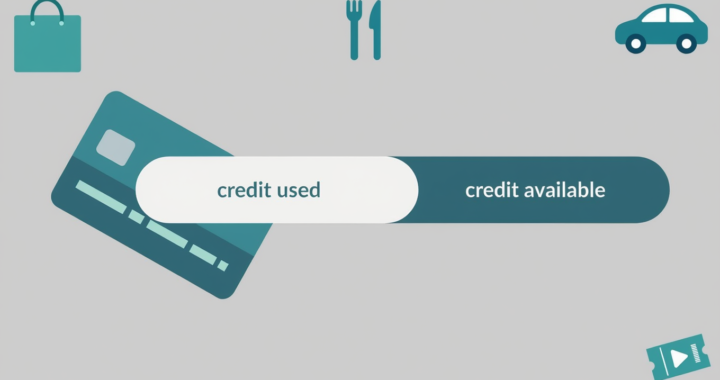
As your balances fall, your credit score may improve because your credit card utilisation ratio becomes lower. Learn more about how credit card utilisation affects your credit score.

Seeking Professional Help
Sometimes, professional guidance is necessary. Financial experts can provide structure and negotiation support.
9. Credit Counseling Services
Non-profit credit counseling agencies help with:
- Budget creation
- Debt management plans
- Negotiating lower interest rates with creditors
Examples: National Foundation for Credit Counseling (NFCC) offers free or low-cost services.
10. Debt Management Plans (DMPs)
A DMP consolidates monthly payments under a credit counseling agency. Benefits may include:
- Reduced interest rates
- Single monthly payment
- Guidance on repayment timelines

Psychological Strategies to Stay Motivated
Debt repayment can take months or years. Staying motivated is key.
- Set milestones: Celebrate each debt fully paid.
- Visual trackers: Use charts or apps to track progress.
- Accountability partner: Share goals with a trusted friend or family member.
- Positive reinforcement: Reward yourself with low-cost incentives.
Tip: Visual and emotional cues increase commitment and consistency.
Leveraging Tools and Resources
Several tools can accelerate debt repayment:
- Debt payoff calculators: Plan timelines and track savings (NerdWallet).
- Budgeting apps: Track spending in real-time.
- Automated payments: Reduce missed payments and late fees.
These tools save time and increase repayment efficiency.
Common Mistakes to Avoid
Even with a plan, mistakes can derail progress:
- Making only minimum payments
- Ignoring high-interest debt
- Taking on new loans during repayment
- Failing to track progress consistently
Avoiding these pitfalls ensures faster and more sustainable debt elimination.
How Long Does It Take to Pay Off Credit Card Debt?
One of the biggest questions people ask when starting their debt journey is simple: how long will it take to become debt free?
The answer depends on three main factors:
- Your total balance
- The interest rate on your debt
- How much you pay each month
For example, someone with £5,000 in credit card debt at 22% interest who only makes minimum payments could remain in debt for many years. That is why relying on minimum payments alone is rarely an effective strategy.
However, increasing your monthly payment even slightly can dramatically reduce repayment time. For example:
| Balance | Interest Rate | Monthly Payment | Estimated Payoff Time |
|---|---|---|---|
| £5,000 | 22% | Minimum payment | 15+ years |
| £5,000 | 22% | £200 per month | Around 3 years |
| £5,000 | 22% | £300 per month | Around 2 years |
The key insight is that every extra pound paid toward the balance reduces both the interest charged and the total repayment timeline.
That is why strategies like the debt snowball and debt avalanche methods can be so powerful. They focus on accelerating payments so interest has less time to grow.
If you want to shorten your payoff timeline, focus on three actions:
- Increase monthly payments whenever possible
- Target high interest debts first
- Avoid adding new balances during repayment
Small changes can lead to huge long-term results. Many people are surprised by how quickly their debt shrinks once they start making consistent extra payments.
Conclusion
Crushing debt is achievable with discipline, strategy, and consistency. By assessing your debts, implementing powerful repayment strategies like the snowball or avalanche methods, considering consolidation, boosting income, and cutting expenses, anyone can regain control of their finances.
Call to Action:
Start today – list all your debts, choose a repayment strategy, and take the first step toward financial freedom. For additional tools and guidance, check out Budgetkin’s Debt Management Resources and related posts on budgeting and saving.
Related Credit Card Guides
If you are working to improve your finances, these guides can also help:
• Learn what really happens when you only pay the minimum on a credit card
https://budgetkin.com/paying-the-minimum-on-a-credit-card-what-really-happens-in-the-uk/
• Understand how credit card utilisation affects your credit score
https://budgetkin.com/credit-card-utilisation-explained-and-why-it-matters-in-the-uk/
• Avoid credit card mistakes that hurt your finances
https://budgetkin.com/credit-card-mistakes-that-hurt-your-finances/
• Explore proven debt repayment strategies to crush your debt
https://budgetkin.com/proven-debt-repayment-strategies-to-crush-your-debt/
Pingback: Debt Anxiety Cycle: Money Worries = Mental Struggles - BudgetKin
Pingback: 5 Shocking Ways Debt and Your Brain Affect Your Mind - BudgetKin
Pingback: 2025 Frugal Living Blueprint | Save £500+/Month - BudgetKin
Pingback: Family Money Date Night: A Fun Way to Budget Together - BudgetKin
Pingback: Paying the Minimum on a Credit Card, What Really Happens in the UK - BudgetKin
Pingback: Credit Card Utilisation Explained (And Why It Matters in the UK) - BudgetKin
Pingback: Credit Card Mistakes That Hurt Your Credit Score in the UK - BudgetKin
Pingback: How Many Credit Cards Should I Have in the UK? - BudgetKin