
Discover 4 powerful family budgeting secrets that help large households save more, spend wisely, and build financial confidence. Learn real-life budgeting tips from a mum who turned chaos into calm with smart family budgeting strategies.
Introduction
When you’ve got six kids, a mountain of bills, and a never-ending grocery list, keeping control of your money can feel impossible. I’ve been there. Some months we lived on spreadsheets and hope. Others we found our rhythm and finally felt peace. The truth is, family budgeting doesn’t need to be complicated, it just needs to be clear.
In this post, I’ll share 4 powerful family budgeting secrets that helped my large household stay afloat when spending slowed across the UK. These simple, real-life methods have transformed how we save, shop, and plan as a family, and they can do the same for you. strict cuts or deprivation, it’s about clarity and control.
In this post, I’ll share how we adjusted our budget when spending slowed, what tools and techniques worked for us, and how you can adapt everything to your own large family’s life.
Here are your key takeaways:
- Learn a structured approach to family budgeting that fits a big household.
- Understand how to use digital tools, savings routines and meal-planning to cut costs.
- Get my best practical hacks that turn theory into kitchen-table reality.

Why budgeting matters for large families
In our home, it’s not just one child and one allowance. It’s six piggy-banks, four school lunches a day and energy bills that make my eyes widen. When household spending slows across the UK, as many reports show, feeling the pinch becomes real.
When I first started budgeting properly, we were juggling:
- Mortgage or rent
- Utilities (gas, electricity, water, internet)
- Groceries for eight people
- Kids’ allowances and activities
- Savings and emergency fund
- Seasonal costs like school uniforms, holidays and birthdays
That’s why we needed a budget that’s both flexible and simple. Knowing where every pound was assigned gave our family peace of mind, rather than stress.
Step 1: Set up your baseline budget
Track income and expenses
First, I listed everything we had coming in: full-time salary, part-time work, child benefit, and odd jobs. Then I listed everything going out: fixed costs and variable costs. Experts say this step is critical to any effective family budgeting.
Split essentials vs non-essentials
Then I grouped outgoings into essentials (rent, utilities, food, insurance) and non-essentials (streaming, takeaways, new gadgets). This came from guidance found on MoneyHelper. MaPS
Identify your “wiggle room”
Once I subtracted essentials from income, the remaining amount (if any) became our “fun fund,” savings allocation and buffer. For a large family, this is especially important it gives you flexibility without rebellion.
Step 2: Make the budget work with your family life
Use digital tools and apps
We use a simple budgeting app to track spending across accounts. It helps me review how much we spent on groceries, utilities and allowances month-to-month. According to UK-guides, using apps builds awareness and makes adjustments easier.
Meal planning and shopping hacks
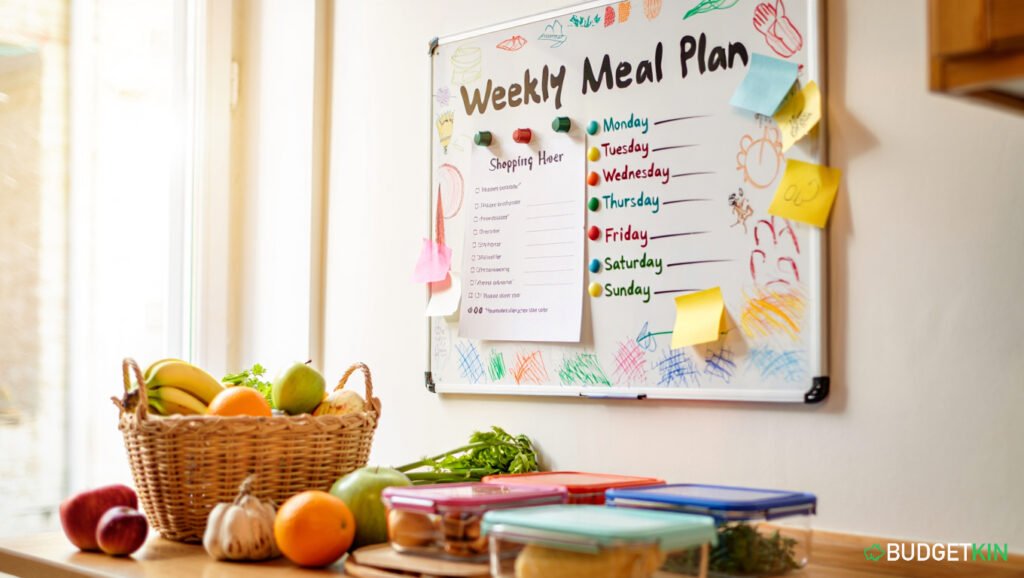
Food is a big cost for us. One of the best moves we made: every Sunday, I plan the week’s meals (with the kids helping). Then I create the shopping list and stick to it. This came from tips on reducing grocery spending.
Set aside a “family fund”
Because unexpected costs happen (school trip, boiler repair, birthday treat), we built a small monthly allocation into our budget. Even £20 per month makes a difference when you spread it.
Involve the kids
I explain to my six that we have a budget and everyone plays a part. We set allowance targets, savings jars and fun-money moments. It makes them feel accountable and proud, not burdened.
Step 3: Adjust when spending slows
Recently UK households have been cutting back on non-essentials and tightening their belts. When that happens, your budget needs to flex.
Review and revise regularly
I sit down every quarter and review our categories: groceries, utilities, fun fund, and allowance. Ask yourself: Are we still aligned with our goals? The “review regularly” advice comes from trusted budgeting sites.
Re-prioritise if income drops or costs rise
If take-home pay shrinks or bills jump, we have a plan:
- Reduce non-essentials (streaming, outings)
- Pause increases in allowance or fun fund temporarily
- Shift surplus into emergency savings
Protect the essentials
For us, food, energy and housing stay non-negotiable. Everything else must adjust around them. That distinction keeps the house running smoothly.
Keep the fun alive
It’s tempting to cut everything, but fun becomes the thing your kids remember. So we find budget-friendly fun: free local museum visits, library movies, picnic in the park. These ideas mirror advice from parent-budgeting blogs. FTCT
Step 4: Go deeper with savings & optimisation
Use loyalty schemes and bargain hunting
We switch utilities when deals appear. We use supermarket loyalty cards and own-brand alternatives. Small savings multiply in a large family. MoneyHelper recommend these habits.
Bulk buy and freeze
When we see good deals on meat, veg or basics, we buy in bulk and freeze. It helps when a slow-spending climate hits or bills spike.
Subscription audit
We cancelled unused streaming services and trimmed memberships. One blog suggested going through bank statements to find hidden costs.
Automate savings
We set a standing order to move a set sum into savings each month before we see it. This aligns with the “save first, spend later” mindset found on family finance sites.

Conclusion & Call to Action
Family budgeting is about freedom, not restriction. When your household is large, every small change adds up to a big difference. By tracking expenses, meal planning, and building savings habits, your family budget becomes a powerful tool for stability and peace of mind.
I learned that budgeting for large families is less about perfection and more about consistency. Every time we sit at our kitchen table and review our household budget, we feel more control and less stress. Our children now understand that budgeting is how we create opportunities, not limits. It lets us plan for holidays, school trips, and those little joys that make family life brighter.
If you are ready to strengthen your family finances, start with one change today:
- Create a weekly meal plan to save money and cut waste.
- Automate a small transfer into your savings account.
- Revisit your subscriptions and cancel what you no longer use.
- Talk to your kids about how the family budget works.
Each step brings you closer to confidence and calm. Remember, strong family budgeting grows from teamwork, patience, and purpose.
Call to Action:
Visit BudgetKin.com to explore free templates, printable guides, and real family stories that make money management simple.
- Learn how to set up your Emergency Fund Step-by-Step and keep your family protected.
- Read 10 Savvy Budgeting Hacks to Stretch Your Paycheck for practical ways to make every pound count.
- Discover How to Create a Simple Family Budget in 5 Easy Steps for a clear framework to start today.
Share this article with another parent who wants to master household budgeting and build a stronger financial future. Together, we can create homes where money works for families, not against them.
Editor’s Notes:
This article is part of the BudgetKin Family Finance Series, designed to help parents manage money with confidence.
For more practical guides, visit:
- Budgeting for Kids: Smart Ways to Teach Children Money
- Proven Debt Repayment Strategies to Crush Your Debt
- 3 Smart Ways to Manage Money as a Couple
All BudgetKin guides follow a friendly, family-first approach because money should feel manageable, not overwhelming.


