Learn how to use credit cards responsibly in the UK with practical tips, real-life family budgeting advice, and simple rules that prevent debt before it starts.
How to Use Credit Cards Responsibly Without Losing Control
I still remember the first credit card we ever had. It arrived in the post, shiny and full of promise, at a time when our family was growing faster than our income. At first, it felt like a safety net. However, before I knew it, that safety net quietly turned into a source of stress.
As a housewife with a large family, I have learned the hard way that credit cards are not the enemy, but they can quickly become one if we do not understand how to use credit cards responsibly. Therefore, this guide is written from lived experience, not theory, and from many conversations at the kitchen table after the children were in bed.
If you have ever wondered why credit cards feel helpful one month and overwhelming the next, you are in the right place.

Why Credit Cards Are So Easy to Misuse
Credit cards are designed to be convenient. However, convenience often hides the true cost.
According to guidance from MoneyHelper, many UK households underestimate how quickly interest and minimum payments can extend debt for years. When we only see the minimum payment due, it is easy to believe everything is under control, even when it is not.
External resource:
https://www.moneyhelper.org.uk/en/everyday-money/credit-and-purchases/credit-cards
Moreover, when you are feeding several children, paying energy bills, and covering school costs, it is tempting to use credit cards as income support rather than a payment tool.
What It Really Means to Use Credit Cards Responsibly
To use credit cards responsibly does not mean never using them. Instead, it means using them with intention, boundaries, and a plan.
Responsible credit card use means,
- Paying balances in full whenever possible
- Understanding interest rates and fees
- Avoiding emotional or panic spending
- Using credit cards as a tool, not a lifeline
Therefore, the goal is control, not restriction.
My Turning Point With Credit Card Debt
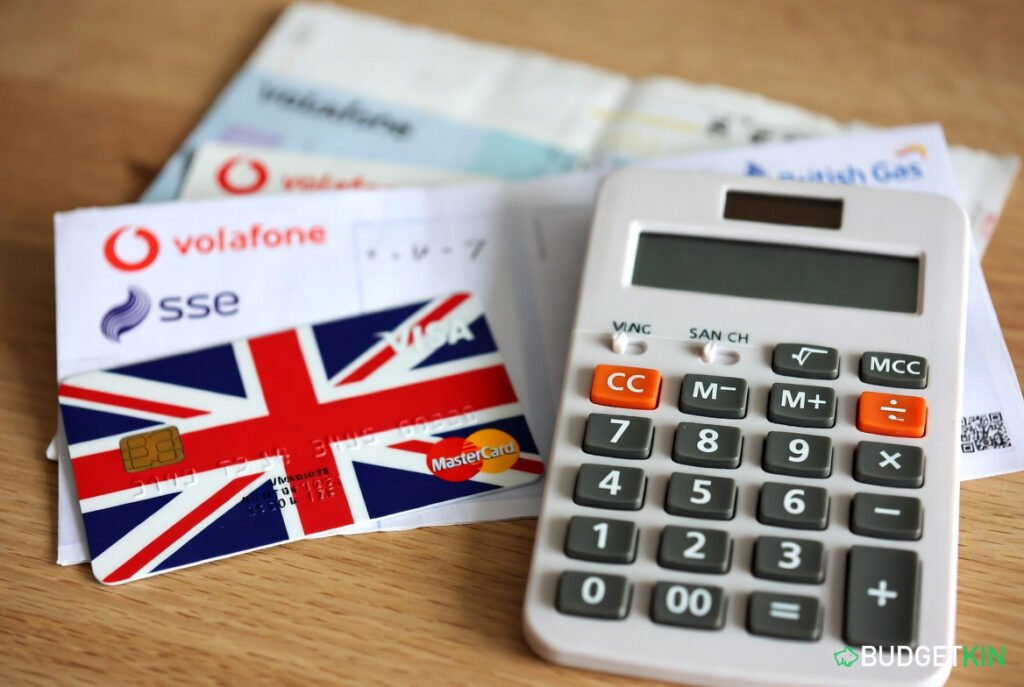
Several years ago, after Christmas and a run of unexpected expenses, I added up our balances and felt sick. We were paying interest every month and getting nowhere. Meanwhile, we were still telling ourselves it was manageable.
That was the moment I realised we needed rules, not willpower.
I started researching advice from the Financial Conduct Authority, reading UK-based blogs, and comparing what actually worked for families like ours. Eventually, we built a system that let us use credit cards responsibly without fear.
Step One, Understand Your Credit Card Terms
Know Your APR and Fees
One of the biggest gaps in many top-ranking posts is how little attention they give to APR. However, APR determines how expensive your debt becomes.
You should know,
- Your purchase APR
- Your cash withdrawal fees
- Your penalty APR for missed payments
Most UK credit card providers like Barclaycard, Santander, and Tesco Bank clearly list these in your online account.
External resource:
https://www.fca.org.uk/consumers/credit-cards
Understand Minimum Payments
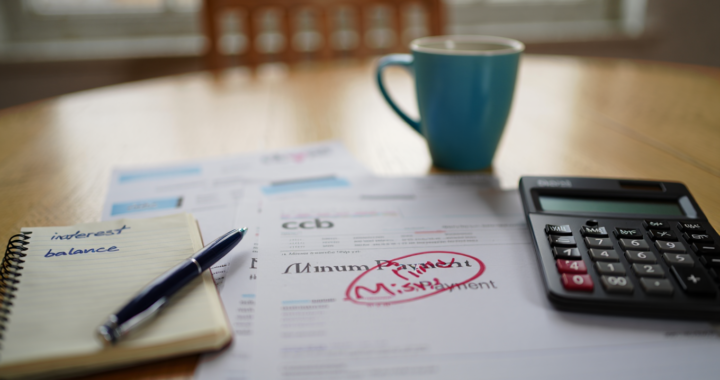
Minimum payments keep you compliant, not debt-free. Therefore, paying only the minimum is one of the fastest ways to stay trapped.
MoneyHelper explains that minimum payments can stretch a balance over decades, even on modest spending.
Step Two, Set Clear Rules for Credit Card Use
In our home, credit cards come with rules written down and revisited often.
Our family credit card rules,
- No credit cards for everyday groceries
- No credit cards for Christmas gifts unless paid off immediately
- No using credit to fix cash flow problems
- One primary card only, no store cards
If you need help building rules like this, BudgetKin has a helpful guide on setting family money boundaries.
Family Money Date Night: A Fun Way to Budget Together
Step Three, Match Credit Card Use to Your Budget
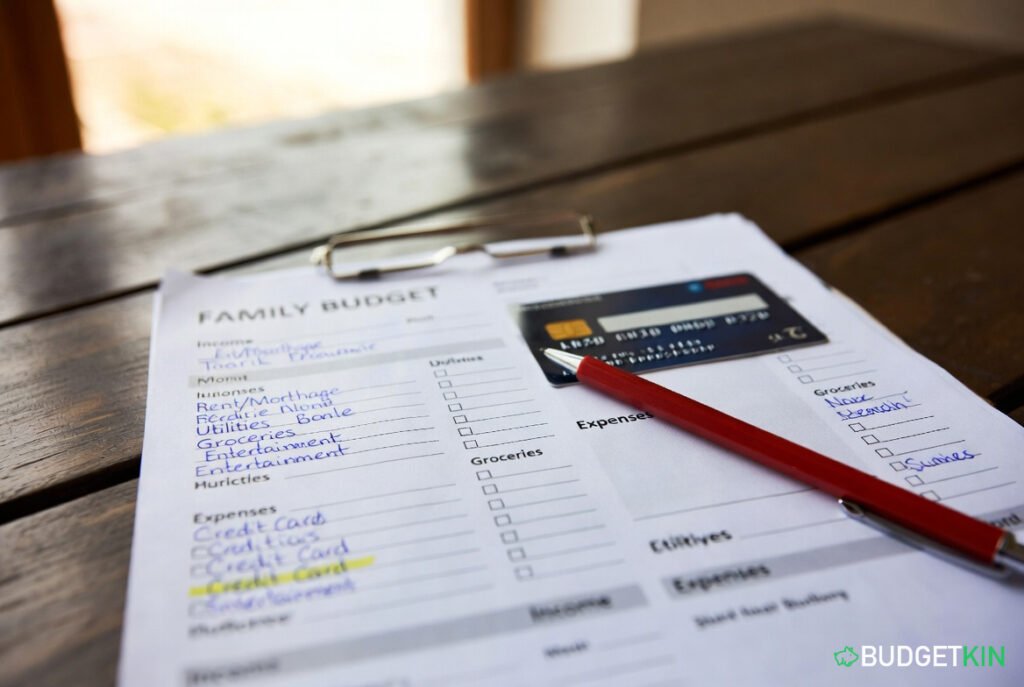
A common mistake is separating credit cards from budgeting. However, credit card spending must live inside your budget.
How We Do It
- Every credit card purchase is logged immediately
- The money is already allocated in our monthly plan
- The balance is paid off when the statement arrives
I often recommend tools like YNAB or Emma because they show spending in real time, which helps avoid denial.
Step Four, Avoid Emotional Spending
As a mum, emotional spending is my biggest risk. Therefore, recognising triggers matters.
Common triggers include,
- End-of-term school stress
- Christmas and birthdays
- Social media comparison
- Feeling behind or overwhelmed
Now, when I feel tempted, I wait 24 hours. More often than not, the urge passes.
Step Five, Use Credit Cards to Build Credit, Not Debt
Used correctly, credit cards can improve your credit score.
Responsible behaviours include,
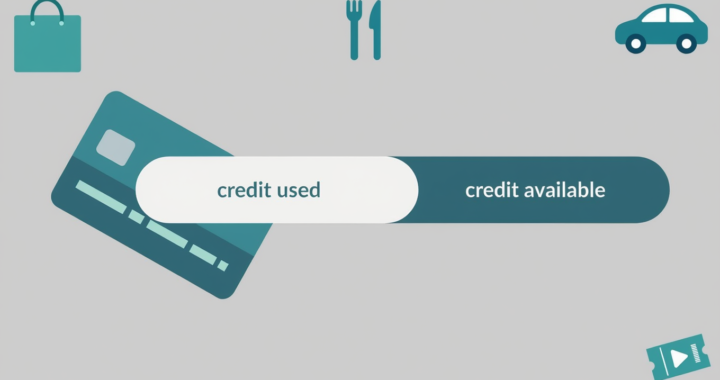
- Keeping utilisation below 30 percent
- Paying on time every month
- Avoiding frequent applications
Credit reference agencies like Experian UK explain that consistency matters more than perfection.
External resource:
https://www.experian.co.uk/consumer
Step Six, Be Careful With Buy Now Pay Later
Buy Now Pay Later services like Klarna, Clearpay, and PayPal Pay in 3 feel different, however they still create debt.
According to the Financial Conduct Authority, missed BNPL payments can lead to fees and financial stress.
Therefore, I only use BNPL if the money is already sitting in our account.
Teaching Kids About Credit Cards
One thing many articles miss is the impact on children. Our kids watch everything.
We explain,
- Credit cards are borrowed money
- Interest means paying extra
- Budgeting comes before spending
If you are raising children while managing debt, this BudgetKin article on teaching kids about money is a great resource. Smart Ways to Teach Children Money

Common Credit Card Mistakes to Avoid
From experience and expert advice, avoid these mistakes,
- Using credit to cover lifestyle gaps
- Opening store cards for discounts
- Ignoring statements
- Carrying balances month after month
However, mistakes can be corrected with awareness and structure.
Key Takeaways
- To use credit cards responsibly, you need rules and a plan
- Credit cards should support your budget, not replace it
- Emotional spending is a bigger risk than interest rates
- Families can use credit cards safely with boundaries
Final Thoughts, Credit Cards Are Tools, Not Solutions
As a housewife managing a busy home, I have learned that peace comes from clarity. Therefore, using credit cards responsibly is about protecting your future self, not denying today’s needs.
If credit cards currently cause stress, start with one change. Set one rule. Track one month. Small steps create long-term confidence.
Call to Action
Review your credit card rules today, align them with your budget, and explore more family-focused money guidance on BudgetKin.