Credit card mistakes that hurt your credit score are usually not dramatic or obvious. In the UK, most credit score damage comes from small, repeated habits that slowly signal risk to lenders.
If you use credit cards regularly, understanding the most common credit card mistakes that hurt your credit score can help you protect your financial profile, reduce stress, and avoid long-term problems that are difficult to reverse.
This guide explains the key mistakes, why they matter, and how to avoid them realistically.
Why Credit Card Mistakes That Hurt Your Credit Score Matter
Your credit score reflects how you manage credit over time, not how much you earn.
Lenders pay close attention to:
- Consistency
- Stability
- Repeated patterns
Many credit card mistakes that hurt your credit score happen quietly, often while payments are still being made on time. That is why people are often surprised when their score does not improve.
Credit Card Mistake 1: Paying Only the Minimum Regularly
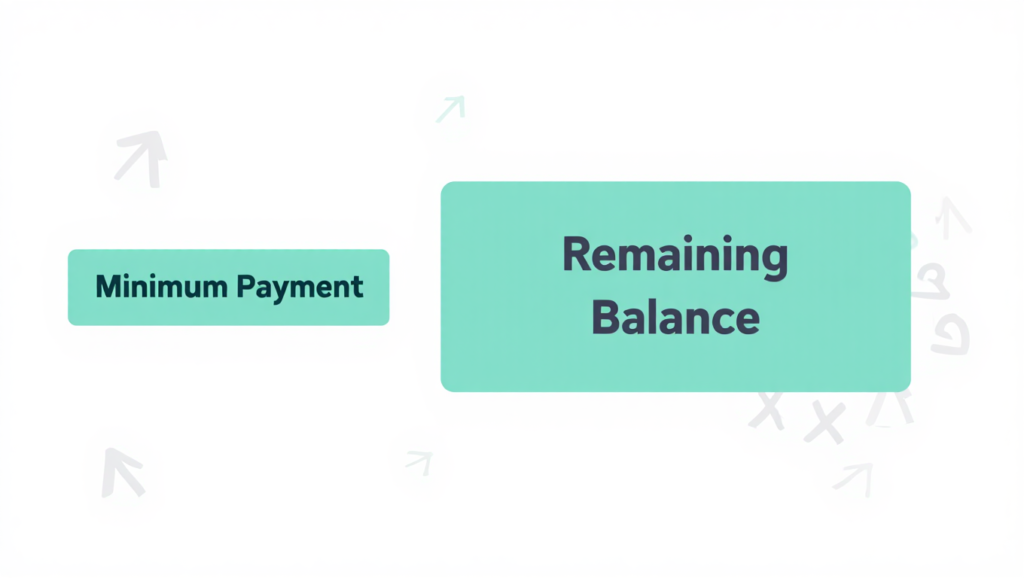
One of the most common credit card mistakes that hurt your credit score is paying only the minimum payment month after month.
Why this mistake matters:
- Balances stay high
- Credit card utilisation remains elevated
- Debt appears persistent
While minimum payments keep accounts active, relying on them long-term creates patterns that damage credit confidence.
This behaviour is explored further in Paying the Minimum on a Credit Card, What Really Happens.
Credit Card Mistake 2: High Credit Card Utilisation
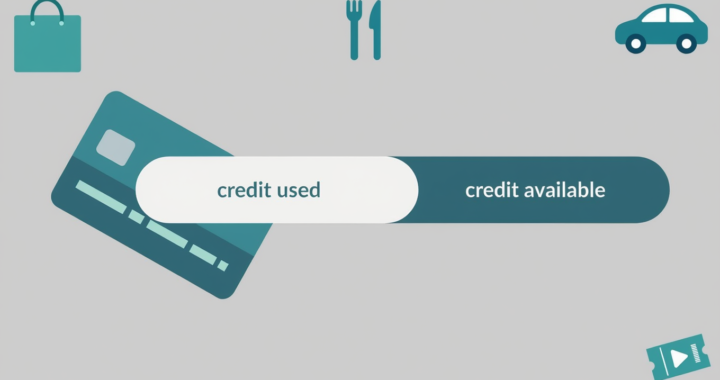
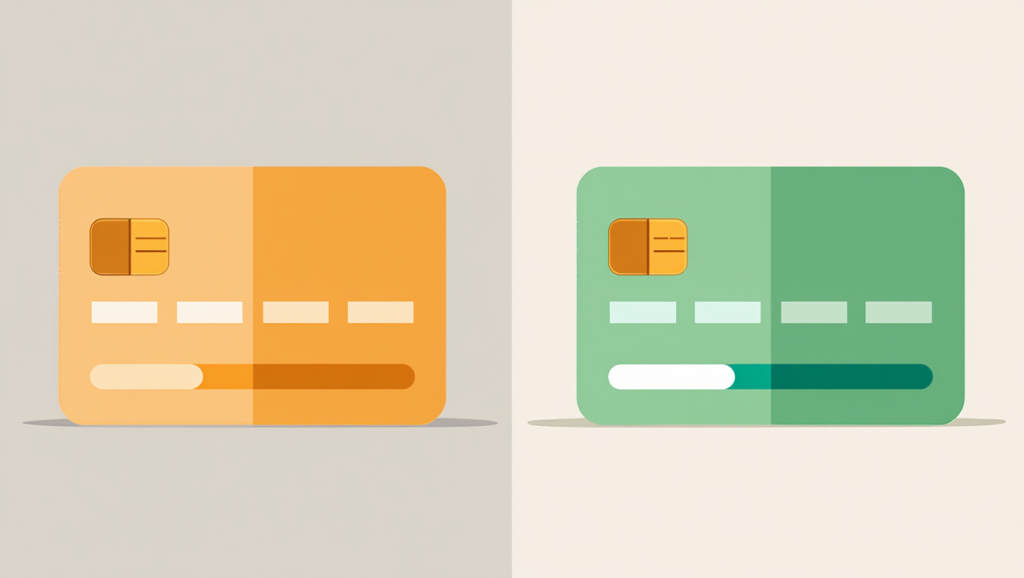
High utilisation is one of the biggest credit card mistakes that hurt your credit score in the UK.
Using a large percentage of your available credit suggests:
- Dependence on borrowing
- Reduced financial flexibility
- Higher lender risk
Even with perfect payment history, high utilisation can prevent credit score growth. This is explained clearly in Credit Card Utilisation Explained (UK).
Credit Card Mistake 3: Maxing Out One Card
Maxing out a single card is another overlooked credit card mistake that hurts your credit score.
This matters because:
- Individual card utilisation is assessed
- One maxed-out card signals immediate pressure
- Minimum payments increase sharply
Lenders often review both overall and individual card behaviour.
Credit Card Mistake 4: Missing or Late Payments
Missing payments is one of the most damaging credit card mistakes that hurt your credit score.
Late payments:
- Remain on your credit file for years
- Reduce lender trust
- Can outweigh months of good behaviour
Setting up a direct debit for at least the minimum payment is one of the simplest ways to prevent this mistake.
Credit Card Mistake 5: Applying for Too Many Cards Quickly
Frequent applications are another credit card mistake that hurts your credit score.
Too many credit checks in a short period can:
- Signal financial stress
- Lower your score temporarily
- Reduce approval chances
This is especially relevant if you already have multiple cards, which is covered in How Many Credit Cards Should I Have in the UK?
Credit Card Mistake 6: Closing Old Credit Cards Without Thinking
Closing cards can feel responsible, but it is a subtle credit card mistake that hurts your credit score if done carelessly.
Closing older accounts can:
- Shorten credit history
- Increase utilisation
- Reduce available credit
If a card does not encourage spending or charge fees, keeping it open with a zero balance may be safer.
Credit Card Mistake 7: Leaving Credit Cards Outside Your Budget
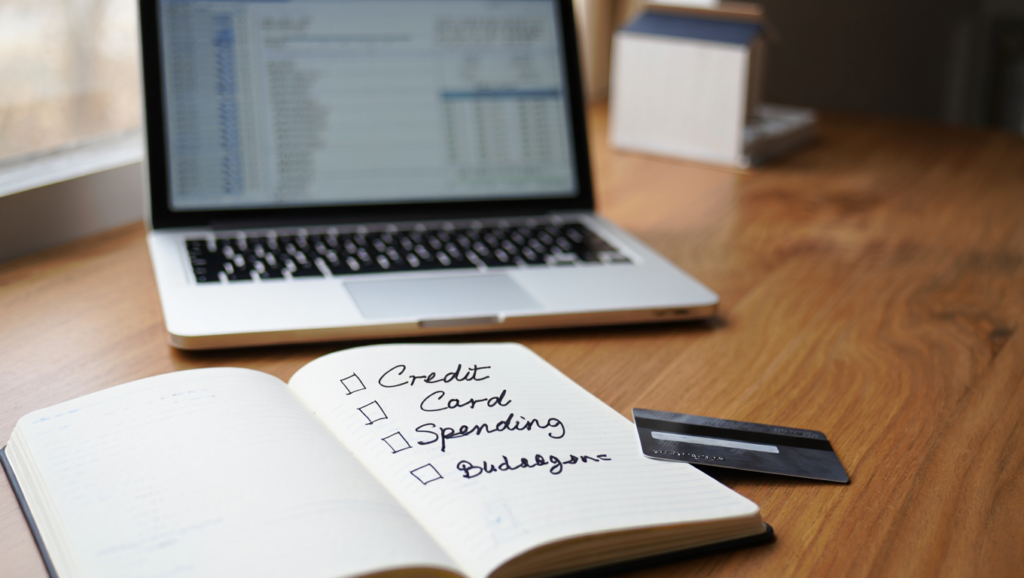
Another major credit card mistake that hurts your credit score is failing to include cards in your budget.
When cards are not tracked:
- Spending becomes invisible
- Balances grow quietly
- Financial stress increases
This often leads people to believe credit cards ruin budgets, when the real issue is lack of visibility. This is explained further in Are Credit Cards Bad for Budgeting?
Credit Card Mistake 8: Using Credit Cards to Cover Monthly Shortfalls
Using credit cards to cover essentials regularly is a serious credit card mistake that hurts your credit score.
When cards are used for:
- Food
- Fuel
- Bills
on a recurring basis, it suggests structural pressure in the budget.
This pattern is part of the wider framework explained in Credit Cards and Debt Explained for UK Families.
How to Avoid Credit Card Mistakes That Hurt Your Credit Score
Avoiding credit card mistakes that hurt your credit score does not require perfection.
Focus on:
- Paying on time every month
- Keeping utilisation manageable
- Reducing reliance on minimum payments
- Tracking credit card spending
Small improvements applied consistently protect your credit profile far better than short-term fixes.
Frequently Asked Questions About Credit Card Mistakes That Hurt Your Credit Score
What are the most common credit card mistakes that hurt your credit score?
The most common mistakes include:
• Missing or making late payments
• Using a high percentage of your credit limit
• Paying only the minimum for long periods
• Applying for too many credit cards quickly
• Maxing out a single card
These behaviours can signal risk to lenders even if you are still making payments.
Can paying the minimum on a credit card hurt your credit score?
Paying the minimum itself does not directly damage your credit score because the required payment is being met.
However, regularly paying only the minimum often keeps balances high, which increases credit utilisation. High utilisation can reduce your credit score over time.
How much does a missed credit card payment affect your credit score?
A missed payment can significantly impact your credit score.
Late payments are usually recorded on your credit report and can remain there for several years, depending on the credit reference agency. Lenders often view missed payments as one of the strongest warning signs of financial stress.
Does using a large percentage of your credit limit hurt your credit score?
Yes. High credit utilisation is one of the biggest factors that affects credit scores.
Using a large portion of your available credit suggests financial pressure and may reduce your score, even if payments are always made on time.
Is closing a credit card bad for your credit score?
Closing a credit card can sometimes reduce your credit score.
This is because closing an account may:
• Reduce your total available credit
• Increase your credit utilisation ratio
• Shorten your overall credit history
For older cards with no fees, keeping them open with a zero balance can sometimes be beneficial.
Does applying for multiple credit cards lower your credit score?
Yes, applying for several credit cards in a short period can temporarily reduce your credit score.
Each application usually creates a hard credit check, and many checks in a short time can signal potential financial pressure to lenders.
Can maxing out one credit card hurt your credit score even if others are empty?
Yes. Credit scoring models often assess both overall utilisation and individual card utilisation.
Maxing out one card can still be viewed negatively, even if other cards have low balances.
Do small credit card mistakes really matter for your credit score?
Yes. Credit scores are based on patterns over time.
Small habits, such as regularly carrying high balances or frequently applying for credit, can gradually signal risk to lenders and affect your credit profile.
How can I avoid credit card mistakes that hurt my credit score?
Some practical steps include:
• Setting up automatic payments to avoid missed payments
• Keeping balances low compared to your credit limit
• Avoiding unnecessary credit applications
• Tracking credit card spending in your budget
Consistency over time is what strengthens your credit profile.
Can a credit score recover after credit card mistakes?
Yes. Credit scores can recover as positive behaviour builds over time.
Making payments on time, reducing balances, and avoiding new debt can gradually improve your credit profile and restore lender confidence.
Additional Questions About Credit Card Mistakes and Credit Scores
What lowers your credit score the most in the UK?
The factors that usually reduce credit scores the most include:
• Missed or late payments
• High credit card balances
• Defaulted accounts
• Frequent credit applications
• County Court Judgments (CCJs)
Among everyday habits, missed payments and high credit utilisation tend to have the biggest impact.
Is it worse to miss a payment or have high credit utilisation?
Missing a payment is usually worse.
Late or missed payments signal reliability problems to lenders and can stay on your credit report for several years. High utilisation can lower your score too, but it usually improves once balances are reduced.
Does checking your credit score lower it?
No. Checking your own credit score does not affect it.
These checks are known as soft searches, and they are only visible to you. Lenders cannot see them and they do not influence lending decisions.
How long do credit card mistakes stay on your credit file?
Most negative information, such as missed payments or defaults, can remain on your credit report for around six years in the UK.
However, the impact usually reduces over time if positive credit behaviour continues.
How quickly can a credit score improve after fixing mistakes?
Credit scores can begin improving within a few months once habits change.
For example, reducing balances or consistently making on-time payments can gradually rebuild lender confidence. Major improvements often take longer because credit scoring looks at behaviour over time.
Can paying off a credit card improve your credit score?
Yes. Paying down balances reduces credit utilisation, which can improve your credit score.
However, the improvement may not appear immediately because credit reports update periodically based on lender reporting cycles.
Should you keep old credit cards open to help your credit score?
Older accounts can help your credit score because they contribute to the length of your credit history and total available credit.
If a card has no annual fee and does not encourage overspending, keeping it open with a zero balance can sometimes strengthen your credit profile.
Can using a credit card responsibly improve your credit score?
Yes. Responsible use can help build a positive credit history.
Key habits that support credit growth include:
• Paying on time every month
• Keeping balances low
• Avoiding unnecessary credit applications
• Managing credit consistently over time
Final Thoughts
Most credit card mistakes that hurt your credit score are not obvious. They are quiet habits that build over time.
The good news is that these mistakes are reversible with awareness and consistency.
By understanding and avoiding the most common credit card mistakes that hurt your credit score, you can protect your credit rating, reduce stress, and use credit cards as tools rather than traps.
For a complete view of how credit cards, debt, and budgeting fit together, read Credit Cards and Debt Explained for UK Families.
Related Credit Card Guides
If you are working to improve your finances, these guides can also help:
• Avoid credit card mistakes that hurt your finances
https://budgetkin.com/credit-card-mistakes-that-hurt-your-finances/
• Learn what really happens when you only pay the minimum on a credit card
https://budgetkin.com/paying-the-minimum-on-a-credit-card-what-really-happens-in-the-uk/
• Explore proven debt repayment strategies to crush your debt
https://budgetkin.com/proven-debt-repayment-strategies-to-crush-your-debt/
• Understand how credit card utilisation affects your credit score
https://budgetkin.com/credit-card-utilisation-explained-and-why-it-matters-in-the-uk/