
Learn how to overcome emergency savings anxiety with practical UK family tips, budgeting strategies, and stress-free ways to build a financial safety net.
I still remember the first time our washing machine broke. It was mid-winter, the kids were wearing damp school uniforms, and the bill came close to £400. At that moment, I felt that sinking feeling in my stomach, a mix of panic and guilt. This, I realised, was emergency savings anxiety, something I had never even named before.
As a housewife with a large family, I know this feeling all too well. Even when we try to save, unexpected expenses can trigger stress and sleepless nights. Therefore, in this post, I want to share how we navigated emergency savings anxiety, practical strategies to build a safety net, and ways to regain peace of mind in the UK financial landscape.
What Is Emergency Savings Anxiety
Emergency savings anxiety is the worry, stress, or fear that comes from not having enough money set aside for unexpected costs. According to a survey by MoneyHelper, almost half of UK adults admit they would struggle to cover a £300 unexpected expense without borrowing.
External resource:
https://www.moneyhelper.org.uk/en/money-troubles/emergency-money
This anxiety can manifest as:
- Difficulty sleeping over financial uncertainty
- Constantly checking balances or household spending
- Avoiding planning or making big purchases
- Feeling guilt or shame about past money mistakes
For families like ours, it can feel like walking on a tightrope every month.

Why Large Families Are More Vulnerable
In a household with several children, expenses multiply quickly. Even routine costs can feel overwhelming if there is no emergency fund. For example:
- School trips or equipment
- Medical bills and prescriptions
- Broken appliances or car repairs
- Seasonal heating or clothing costs
Top-ranking personal finance blogs often discuss savings in general terms, however, large households require realistic, scalable strategies to reduce financial stress.
Step 1, Assess Your True Emergency Needs
Before saving, I had to figure out what we were really saving for. Therefore, we categorised our potential emergencies:
- Small emergencies – minor repairs, unplanned school items
- Medium emergencies – car repairs, medical bills, urgent travel
- Large emergencies – unexpected loss of income, major appliance replacement
Once I listed these, I could estimate the amount needed in a realistic emergency fund, rather than relying on vague targets.

Step 2, Start Small, Start Regular
Building an emergency fund does not happen overnight. I started with just £20 a week, automating transfers to a separate savings account. Over time, this small habit snowballed.
Tips for starting small:
- Open a dedicated savings account like Starling Bank or Monzo Savings Pots
- Automate transfers on payday
- Start with amounts you know you can manage
External resource:
https://www.fca.org.uk/consumers/saving-money
Even small contributions build confidence, reducing emergency savings anxiety gradually.
Step 3, Prioritise Your Family Budget
Emergency savings are only possible if they are part of a clear household budget. Therefore, we reviewed our monthly expenses using BudgetKin’s family budgeting secrets.
Key strategies:
- Track all income and expenses for a month
- Categorise essential vs discretionary spending
- Allocate a fixed percentage to the emergency fund
With this approach, emergency savings no longer felt like a sacrifice, but an investment in peace of mind.
Step 4, Build a Rainy Day Fund, Not a Dream Fund
Many people confuse saving with long-term investing. I learned to focus purely on accessible cash for emergencies.
My family’s approach:
- Keep at least 3 months of essential expenses in an instant-access account
- Avoid tying it up in stocks or bonds, which can fluctuate
- Only use it for genuine emergencies
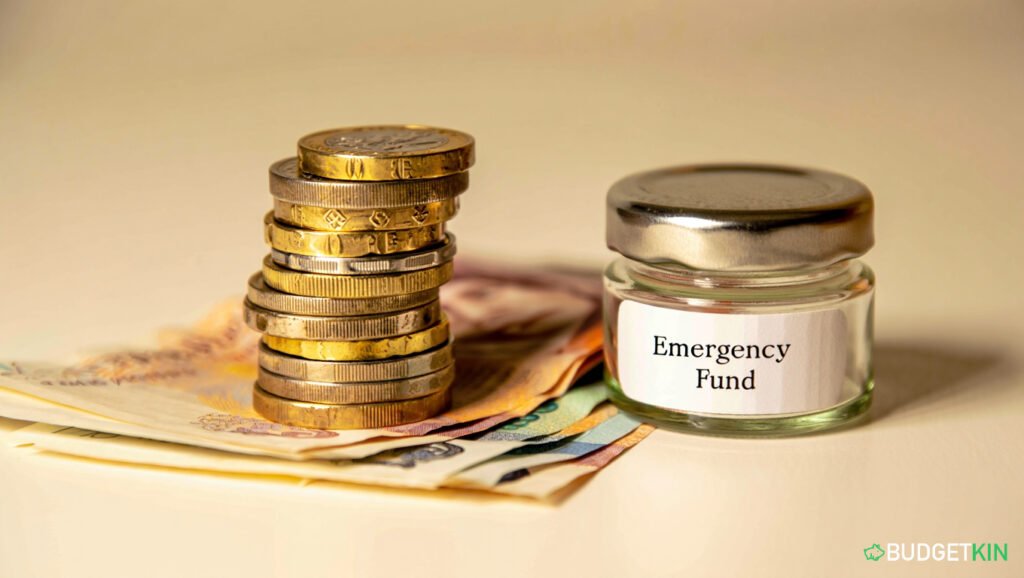
This clarity drastically reduced the stress of wondering, “Do we have enough?”
Step 5, Plan for Predictable “Unexpected” Costs
Some emergencies are surprisingly predictable. For instance, birthdays, school uniforms, or annual car service. By anticipating these, I reduce emergency spending anxiety.
Tips:
- Use a spreadsheet or apps like Emma or YNAB
- Allocate monthly small amounts for predictable events
- Keep a separate sub-account for these planned “emergencies”
External resource:
https://www.youneedabudget.com
This planning gives the feeling of control even before a true emergency arises.
Step 6, Reduce Financial Stress with Clear Rules
Anxiety often comes from uncertainty. Therefore, I created household rules for using the emergency fund:
- Only for unplanned, necessary expenses
- Review account monthly to replenish any withdrawals
- Discuss potential withdrawals with family if appropriate
Internal link placeholder:
Debt Anxiety Cycle: Money Worries = Mental Struggles
Having these rules in place reduced panic and improved confidence in our financial resilience.
How Emergency Savings Anxiety Affects Mental Health
Research from the Money and Mental Health Policy Institute shows that financial stress is a major contributor to anxiety and depression in the UK.
External resource:
https://www.moneyandmentalhealth.org
In our household, once we implemented these emergency savings strategies, I noticed:
- Fewer sleepless nights
- Less arguing over money
- More confidence in making spending decisions
Key Takeaways
- Emergency savings anxiety is common but manageable with structured planning
- Large families need realistic, scalable emergency funds
- Start small, automate savings, and keep them accessible
- Plan for predictable expenses and set clear rules
- Gradual, consistent action builds confidence and reduces stress
Final Thoughts, Take Control of Your Financial Peace
As a housewife managing a busy UK home, I have learned that peace of mind is worth more than a perfect savings target. Therefore, even small steps towards an emergency fund matter.
Call to Action
Start your emergency savings plan today, automate your contributions, and explore BudgetKin for more practical UK family finance advice.